
What Is Black Cumin? A Complete Guide to Bunium persicum
Black cumin, scientifically known as Bunium persicum, is an ancient spice with deep cultural roots and renewed interest in modern kitchens. Often associated with Persian, South Asian, and Middle Eastern cuisines, black cumin has been valued for centuries not only for its distinctive flavor, but also for its traditional wellness uses.
Native to the mountainous regions of Iran, Afghanistan, and northern India, this spice grows in cooler, high-altitude environments and has historically been difficult to cultivate. Today, it remains relatively rare compared to common cumin—making it a truly special ingredient for cooks and food lovers.
What Makes Black Cumin Unique?
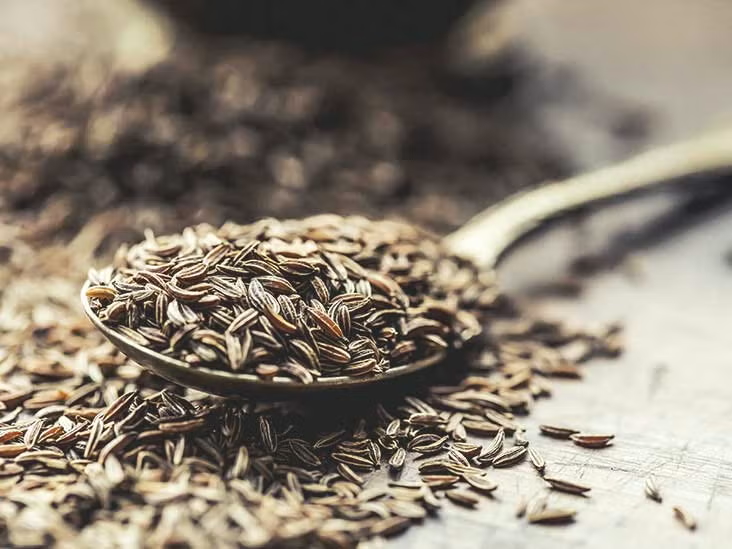
At first glance, black cumin seeds may resemble other dark spices, but their characteristics are quite distinct. The seeds are slender, dark brown to black, and highly aromatic. When toasted or ground, they release a warm, smoky aroma with earthy, slightly bitter undertones.
This complex flavor profile is what sets Bunium persicum apart from more familiar spices. A small amount goes a long way, adding depth rather than sharp heat.
Not to Be Confused With…
One of the most common sources of confusion around black cumin is its name. Despite sounding similar, it is not the same as:
- Common cumin (Cuminum cyminum), which is lighter in color and sharper in taste
- Black seed or kalonji (Nigella sativa), which has a peppery, onion-like flavor
While all three appear in traditional cuisines, black cumin (Bunium persicum) stands apart with its richer aroma and more rounded, smoky flavor.
A Spice with a Long and Valuable History
Black cumin has been used for centuries across Central and South Asia. It was once a highly prized commodity along the Silk Road, traded for both its culinary and medicinal value.
In traditional Persian and Ayurvedic medicine, black cumin was believed to support digestion, respiratory health, and overall vitality. Its long shelf life and potent aroma made it especially valuable in times before modern preservation methods.
Culinary Uses of Black Cumin
Black cumin is especially loved in dishes where spices are layered slowly and thoughtfully. It is commonly used in:
- Biryanis and spiced rice dishes
- Meat stews and braises
- Garam masala and regional spice blends
- Flatbreads and savory pastries
The seeds are often lightly toasted to enhance their aroma before being ground or added whole. Because of its intensity, black cumin is best used sparingly to avoid overpowering other flavors.
Traditional Health Benefits of Black Cumin
Beyond its culinary appeal, black cumin has long been associated with traditional wellness practices. While modern research is still evolving, historical use suggests several potential benefits:
Black cumin is rich in antioxidants, which help protect the body from oxidative stress caused by free radicals. It has also traditionally been used to support digestion, helping ease bloating, gas, and indigestion after heavy meals.
Its anti-inflammatory properties have made it a common ingredient in remedies for joint discomfort and respiratory issues. In some traditions, it has been used during cold seasons to help support immune function.
Preliminary studies have also explored its possible role in blood sugar regulation, though more research is needed before drawing firm conclusions.
Safety, Side Effects, and Responsible Use
When used in normal culinary amounts, black cumin is generally safe for most people. However, like many potent spices, it should be used thoughtfully.
Consuming excessive amounts may cause digestive discomfort, such as nausea or diarrhea. Individuals with allergies to plants in the Apiaceae family—including parsley, celery, or fennel—should use caution.
Because black cumin may influence blood sugar and blood pressure, people taking related medications should consult a healthcare provider before regular use. Excessive intake is also not recommended during pregnancy.
A good rule of thumb is to start small and observe how your body responds.
Why Black Cumin Is Gaining Attention Today
As interest grows in traditional foods, global flavors, and functional ingredients, black cumin is being rediscovered by chefs, home cooks, and farmers alike. Its rarity, depth of flavor, and cultural significance make it especially appealing to those seeking authentic ingredients with a story.
For us, black cumin represents more than a spice—it’s a connection between ancient traditions and modern, responsible farming.
Final Thoughts
Black cumin (Bunium persicum) is a spice that rewards curiosity. With its bold aroma, layered flavor, and centuries-old legacy, it offers both culinary depth and cultural richness. When used mindfully, it can elevate everyday cooking while honoring traditions that span generations.
If you’re interested in learning more about how Persian black cumin is grown, harvested, and used today—especially in a Canadian farming context—we invite you to explore our other blog posts and follow our growing journey 🌱
Leave a Reply